Debbie Wayth
November 12, 2026
November 12, 2026
Debbie Wayth
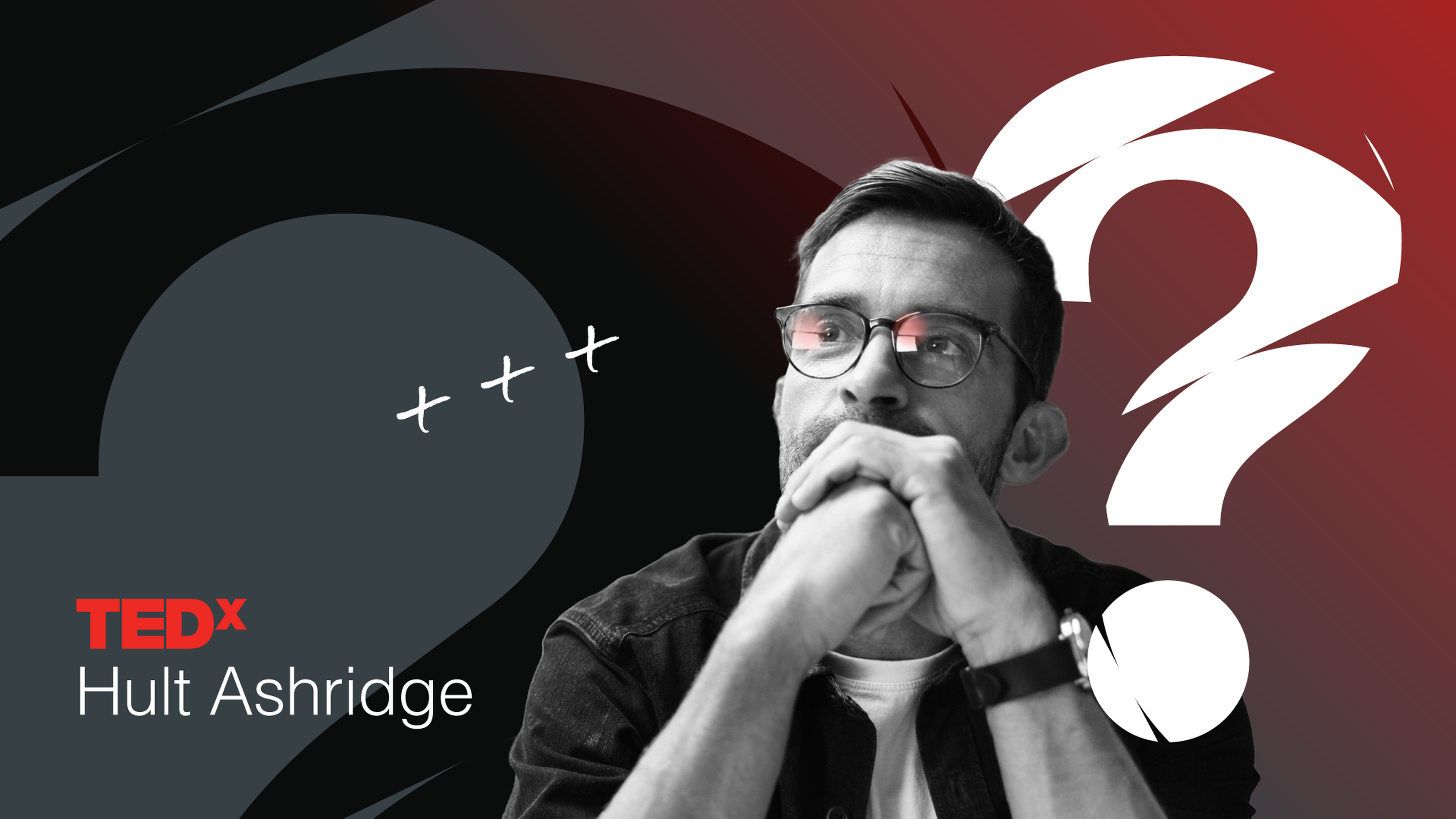
"We dared to speak to the organization about the future without having all the answers, so we were going from a mentality of know-it-all to a mentality of learn-it-all."
I felt a deep sense of resonance when I heard Stefan Steenstrup, CEO of Seco Tools, say this. He had captured one of the most profound challenges facing organizations today. Not a shortage of expertise. Not a lack of commitment. Not even a lack of good ideas. The challenge was something far more subtle: moving from certainty to curiosity.
Like most successful organizations, Seco Tools (a leading global provider of metal-cutting solutions) is filled with hard-working, intelligent, dedicated people who cared deeply about the future of the business. Yet despite strong intentions and considerable expertise, they faced challenges many leaders will recognize: lack of prioritization and slow decision-making causing a vortex of indecision and hiatus in execution that didn’t match their effort nor the speed required to adapt to a changing environment.
And, like many businesses over the last couple of years, they were also encountering a tightening market that forced focus on managing the present, ultimately distracting time, attention and resources from bringing the future to life.
Over two years of transformation work, one theme repeatedly emerged: Progress made leaps when people were willing to question what they thought they already knew. When they let go of what they knew and stepped in to a space of learning. Even (especially) when that meant questioning themselves and the power structures that kept things as they were.
Questioning what their customers wanted, and even the role for Seco Tools in the market and wider ecosystem required practice, patience, and trust in each other. It took humility, curiosity and the capacity to doubt.
It’s rare for organizations to struggle due to a lack of the right knowledge. Rather, they struggle because they become trapped by it. Success creates confidence. Confidence creates certainty. Over time, certainty becomes embedded in systems, processes, governance structures, and organizational culture.
Eventually, people stop questioning assumptions because those assumptions have worked for so long. They become like wallpaper and furniture fading into the background, taken for granted, comforting even.
Transformation demands something beyond knowledge. It requires us to challenge the very beliefs and practices that may have contributed to our success in the first place. Until you can doubt what you have taken for granted, you will continue to work within the boundaries of what you already know.
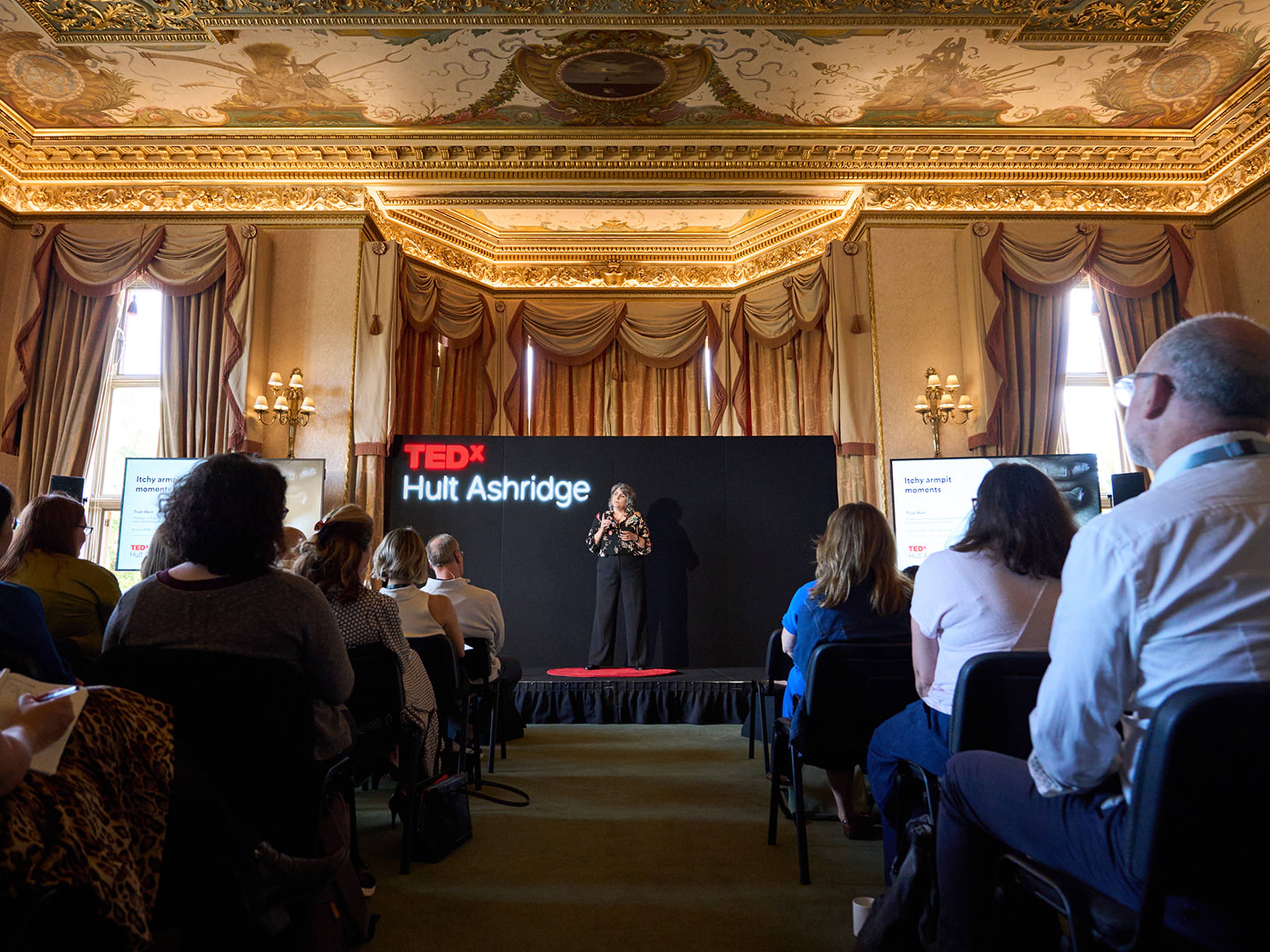
Doubt as a superpower – Debbie Wayth at TEDxHultAshridge
Satya Nadella recognized this when he joined Microsoft as CEO back in 2014 and described the need for a similar shift from a “know-it-all” culture to a “learn-it-all” culture. It’s not about competent people doing things badly, it’s that we become accustomed to how things are done and that clouds our ability to look at doing things differently.
Optimization, efficiency and incremental improvement are all about improving what you already do. Each are important to maximize value from existing businesses, particularly where margins are eroding, but they remain within the same operating logic.
But transformation requires more than doing the same things better. It requires asking whether we are doing the right things at all. In other words, it requires a different operating logic. This is where doubt is essential.
“Doubt sits in the space between what is and what could be: the space is where novelty lies.”
Doubt is often portrayed as a flaw or weakness, a sign of a lack of confidence. And it can be if doubt is construed as about identity. But when doubt is approached as a method or process, it offers a productive role to access what we don’t already know or understand. Doubt sits in the space between what is and what could be: the space is where novelty lies.
This makes doubt not a weakness in transformation, but a critical and inherent feature.
American pragmatist John Dewey wrote nearly 100 years ago of a productive use of doubt to open up possibilities: “The scientific attitude may almost be defined as that which is capable of enjoying the doubtful; scientific method is, in one aspect, a technique for making productive use of doubt by converting it into operations of infinite inquiry.”
In reality, doubt as a method can be disruptive and confronting. It can signal that what we take for granted in the present no longer fully fits the future that is emerging. In teams, this can be a tough process as it inevitably challenges and shifts power and status into new formations, better adapted for the emerging future.
Exploring productive doubt is a capacity we need to build, not a personality flaw to fix.
One of the most exciting parts of the Seco Tools transformation involved bringing a number of start-up companies into conversations around sector-wide challenges: sustainability, circular economy practices, digitalization and supply chain agility.
The contrast in thinking was striking. Start-ups don’t have the luxury of lengthy decision cycles or complex governance processes. They must learn quickly, test assumptions, and adapt fast enough to survive.
“Innovation often begins when somebody asks a question that others have stopped asking.”
In one workshop with a number of start-ups, a long-established approach to manufacturing ISO compliance was turned on its head. What had been viewed as a labor-intensive, resource-heavy process was reimagined as a digitally enabled solution that was faster and more effective. Benefitting the customer and the organization, and aimed at protecting the environment.
What enabled that shift? The start-ups questioned assumptions that had become invisible to everyone else. They doubted things that were considered fixed. And in doing so, they unlocked new possibilities.
The lesson was not that established organizations should behave like start-ups. Rather, it was that innovation often begins when somebody asks a question that others have stopped asking. You can replicate this today in your team by challenging yourselves to consider – what is it we have stopped asking ourselves?
The greatest risk may be the illusion of certainty. To not doubt how you work today is a red flag for the future. You will inevitably end up chasing depleting margins or having to find ever fewer new markets for your products or services. A game that will run out of board space.
Senior leaders face a particular challenge. Confidence is asked of them from every angle –employees, Boards, and investors all want certainty. Yet genuine transformation requires leaders to question assumptions, invite challenge, and acknowledge uncertainty.
This creates a paradox: Leaders must be confident enough to act while remaining doubtful enough to learn. Too much certainty and organizations become rigid. Too much doubt and they become paralyzed. The task of leadership is not to eliminate doubt but to use it productively.
The challenge is ensuring doubt becomes a gateway to inquiry rather than a state of hesitation. Doubt must be shared and allowed movement – toward insight, action, or learning – or it risks curdling in analysis or procrastination.
A useful test is whether doubt is helping identify taken-for-granted assumptions or better questions, through this simple method:
Interrupt certainty and challenge assumptions
Filter through exploring, inquiries and test hypothesis
Commitment to provisional action
Doubt is neither hero nor villain. It is a method. Its value depends on what we do with it.
At its best, doubt interrupts the illusion of certainty, protecting us from complacency, dogma, and inherited assumptions. The invitation of doubt creates an environment for learning and innovation. The organizations that thrive in the years ahead will not be those with all the answers, but those that remain curious enough to question the answers they already have.
Invite doubt to the table to ensure you have a table (or screen) to sit at in the future.
1. Assign time
In your team meetings, allocate time to explore what feels less certain about the future, consciously shifting from monitoring progress on today to exploring future tomorrows. Focus on learning, treating the exploration of doubt as an essential team capacity and an investment in your future.
2. Test one "wallpaper" assumption
What is it we have stopped asking ourselves? Choose a process, governance habit or belief that has gone unquestioned for years and run a small experiment to see whether it still fits the future you're heading toward.
3. Expand your perspective
Bring in outside voices – start-ups, customers or staff members – to help surface what your team can no longer see.
4. Democratize doubt
Recognise that it’s easier for those with more power to doubt more openly. Invite everyone to share at least one doubt, either verbally or gathered anonymously. The aim is to build your collective capacity to notice and explore what you don’t yet know or doubt.
5. Couple doubts with discernment and decision
For each doubt, set a time limit, an owner and a next step: an insight, a decision or a test. This keeps doubt moving toward learning rather than stuck in analysis paralysis. Notice any patterns in recurring doubts, decisions or experiments.
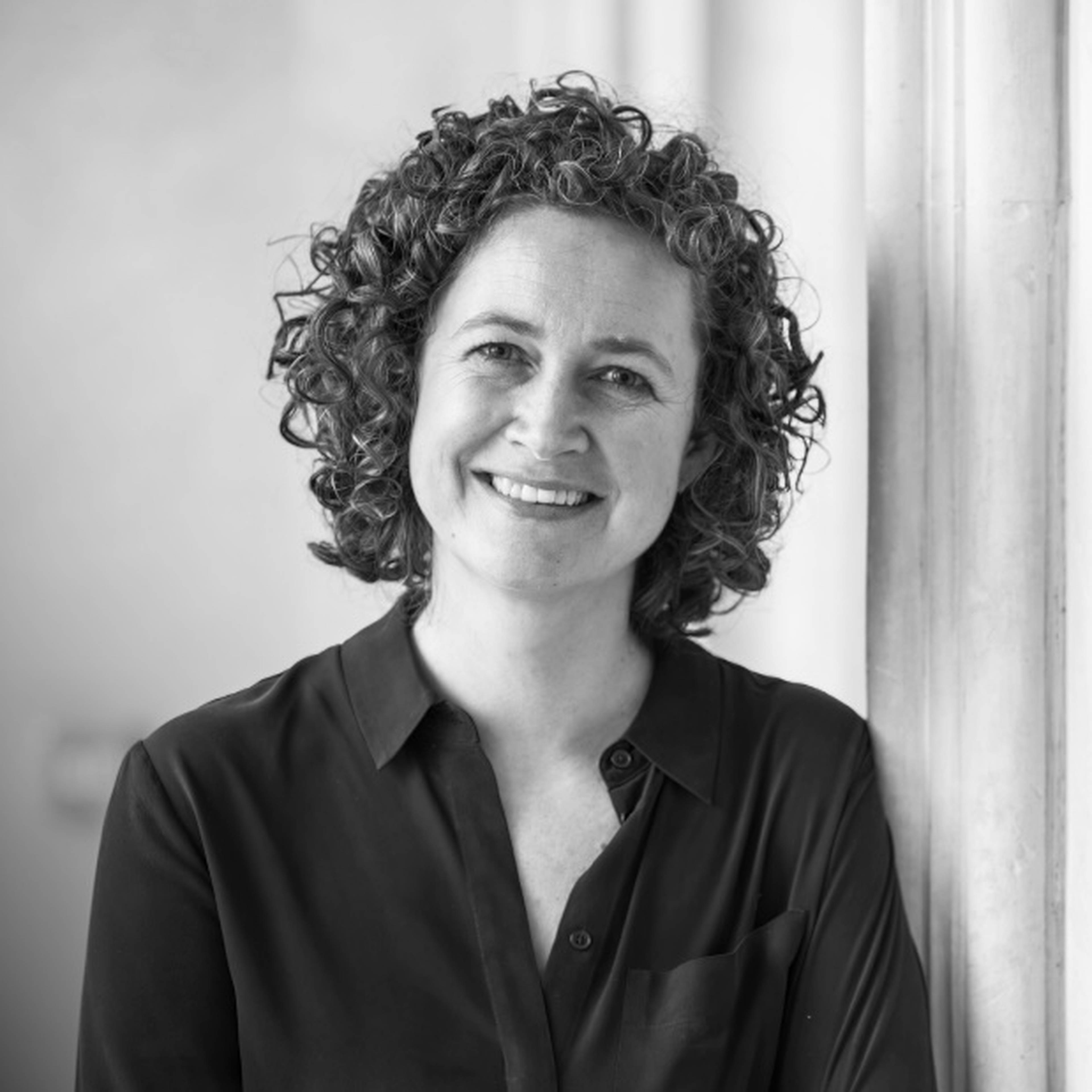
Faculty at Hult International Business School
Debbie has worked with individuals and executive teams from organizations including the UK Civil Service, BP, J&J, NHS, Swarovski. She coaches senior teams and individuals through periods of significant change, ambiguity or transition. She works with executive teams to improve their effectiveness, as well as with individuals.
Debbie comes from the world of business having worked primarily in the energy sector in commercial, strategy and leadership roles for BP in the UK, Middle East and the US for over thirteen years. She ran BP's gas business in Sharjah, UAE through a period of significant safety and operational change, and was also head of strategy for BP Solar & Wind based in San Francisco, US.


Our Solutions
About
Discover
Connect
© Signum International AG (2026). All rights reserved.